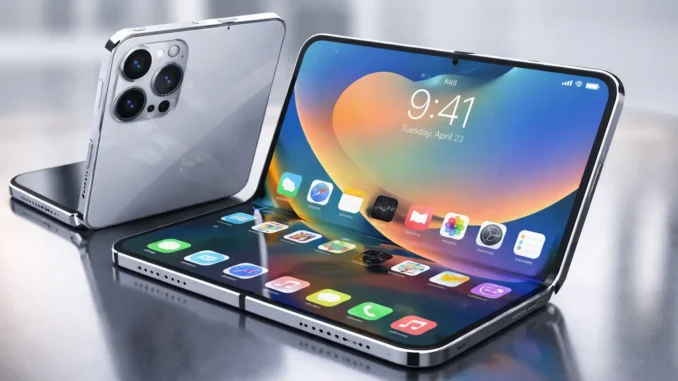
The smartphone industry is once again turning its attention toward Apple as new leaks and supply-chain reports suggest that the upcoming iPhone 18 lineup could introduce some of the most significant design and technology changes in years. From a possible foldable iPhone to a radically redesigned display and next-generation processors, Apple appears ready to reshape the future of its flagship smartphone.
In this article, we explore the latest developments surrounding Apple’s next generation of iPhones and what these innovations could mean for users and the broader smartphone market.
A New Era for the iPhone: Foldable Design on the Horizon
One of the most exciting developments in the Apple ecosystem is the long-rumored foldable iPhone, which analysts believe could debut around late 2026. Reports indicate that Apple is working on a book-style foldable design that opens into a larger display, combining the portability of a smartphone with the functionality of a small tablet.
If confirmed, the foldable model could represent Apple’s most ambitious hardware redesign since the launch of the iPhone X in 2017. The device is expected to focus on durability, crease-resistant display technology, and improved multitasking features powered by Apple’s custom silicon.
Industry analysts believe Apple delayed entering the foldable market intentionally to refine hinge technology and display longevity areas where early foldable devices from competitors faced criticism.
iPhone 18 Pro: A Bold Design Shift
Alongside the foldable model, Apple is preparing to launch the iPhone 18 Pro and iPhone 18 Pro Max, which may introduce noticeable design and hardware changes.
Among the rumored features:
- Transparent Design Elements
Leaks suggest Apple could introduce a partially transparent rear finish, particularly around the MagSafe area, giving the device a futuristic aesthetic.
- Next-Generation Processor
The devices are expected to run on Apple’s new A20 chip, likely built using a cutting-edge 2-nanometer manufacturing process, which could deliver significant improvements in performance and power efficiency. - Advanced Camera Technology
The upcoming models may feature upgraded camera systems with variable aperture technology, allowing users to adjust light capture and depth control similar to professional cameras. - Nearly Edge-to-Edge Display
Some leaks indicate Apple is testing under-display Face ID sensors, which could remove the need for the Dynamic Island and create a cleaner, more immersive display.
Apple’s Changing iPhone Strategy
Another interesting shift may involve how Apple releases its iPhones. Traditionally, the company launches its entire lineup in September. However, reports suggest Apple could introduce two separate release windows.
Under this strategy:
- Premium models (Pro versions and foldable iPhone) could launch in late 2026.
- Standard models might arrive several months later in early 2027.
This staggered release cycle could help Apple maintain excitement around its products and sustain iPhone sales throughout the year.
The Role of AI in the Future iPhone
Apple is also integrating more artificial intelligence features into its ecosystem. The latest version of iOS 26 introduces system-wide intelligence designed to improve messaging, personalization, and device automation.
AI capabilities will likely play a central role in upcoming iPhone models, enabling features such as:
- Smarter photo editing
- AI-assisted battery management
- Context-aware notifications
- Enhanced voice and messaging features
These improvements indicate Apple is increasingly competing in the AI smartphone era, where software intelligence becomes just as important as hardware.
Why the iPhone 18 Could Be Apple’s Most Important Upgrade in Years
With foldable technology, next-generation processors, and a redesigned user experience, the iPhone roadmap for 2026–2027 suggests Apple is preparing for one of its biggest product cycles in a decade.
For consumers, this means the next wave of iPhones may deliver:
- A completely new device category with foldable displays
- Faster performance thanks to advanced chip technology
- More immersive displays with fewer visible sensors
- Smarter AI-powered features integrated into everyday tasks
If these rumors prove accurate, Apple’s upcoming iPhones could redefine the smartphone experience once again.